
Are Date Code Restrictions Still Relevant? What is the Safe Shelf Life for Semiconductors?
Why long-term storage is a viable solution
Semiconductor date codes were implemented in the 1960s to maintain traceability based on manufacturing or seal dates, processes, bill of materials, and a 2-to-3-year “sell-by” date. Date codes are no longer a reliable indicator of component quality and may prevent the use of perfectly viable components.
Due to consumer applications, today’s industry demands shorter lifetimes for semiconductors, while industrial, medical, aerospace, and defense sectors may need up to 20 years of supply. Maintaining ongoing supply is crucial for sustaining application lifecycles, with long-term component storage as a common solution.
Confidence in product quality and reliability is essential, but what is the safe shelf life for semiconductor components?
We want insight into your date code requirements.
Despite OCMs' ongoing reliance on date codes, it has become evident that they do not truly reflect product quality. Since 1981, Rochester Electronics has been safeguarding components and has established itself as the leading provider of secure supply for end-of-life semiconductors, ensuring product integrity is maintained.
Texas Instruments has conducted studies showing that semiconductor products can last beyond 15 years when properly stored in controlled environments. Components stored for up to 21 years showed no signs of failure mechanisms. Remember that these studies are based on components stored in controlled environments.
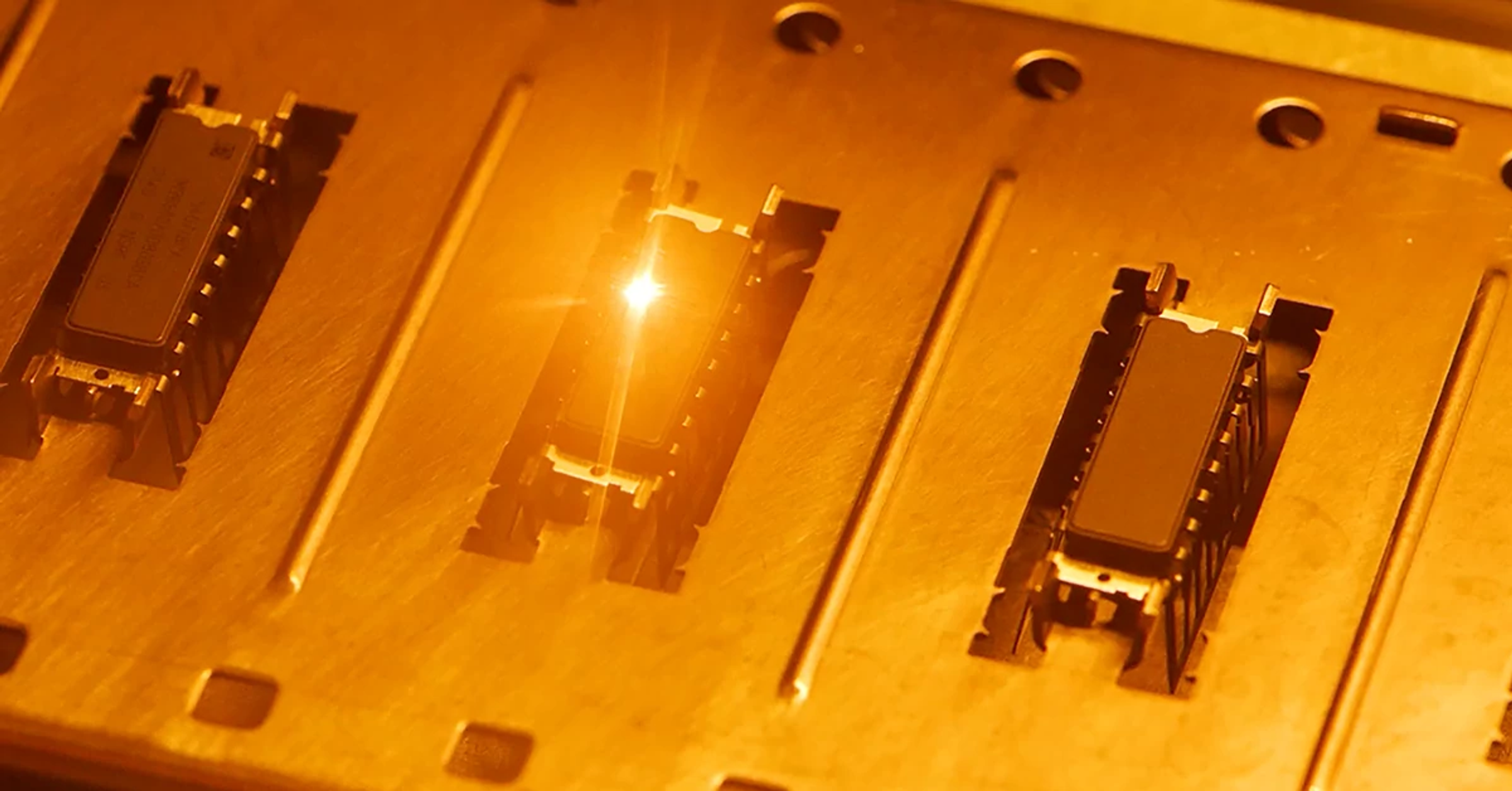
“Tin Whiskers,” small structures that grow off tin component leads, can cause electrical damage. Although commonly linked to age, NASA has no evidence supporting this claim. Rochester Electronics’ Quality and Reliability team further investigated the effects of long-term storage on components' mechanical integrity and electrical performance.
Over four years, through three extensive studies, Rochester Electronics analyzed the solderability, package integrity, joint quality, electric viability, and assembly functionality of a range of components stored for up to 17 years. Like previous industry testing, results showed that the components did not degrade and could still be functionally assembled and electrically viable for many years when properly stored.
In Rochester’s most recent white paper, surface mount technology (SMT) components with a wide range of long-term storage durations were assessed for solderability and board assembly performance. Both "dip and look" and "SMT simulation" solderability test methods found no correlation between solderability failures and device age. Further, over 1,500 of these devices were assembled on 40 custom-designed PCBs by Rochester and three independent contract manufacturers certified in IPC-A-610, with no rejects being found.
Throughout this extensive testing, no data shows any product functionality or usability degradation due to long-term storage at Rochester. Therefore, these results reinforce the prevailing industry understanding that no evidence supports date code restrictions.
The Electronics Components Industry Association (ECIA), composed of leading electronic component manufacturers, representatives, and authorized distributors, is now recommending an end to general date code restrictions; “Forty years ago, there may have been some truth to this perception. However, the last four decades of process improvements by electronic component manufacturers have all but eliminated the causes of failure mechanisms related to component age concerns.”
The 2023 date code restrictions management recommendations from ECIA provide essential guidance to ensure compliance with packaging, shelf life, storage, and product quality for customers. It is crucial to buy from fully authorized and certified component suppliers.
ECIA believes that “General date code restrictions unnecessarily delay the order entry process and the order fulfillment process, resulting in delayed service to the customer.”
Through years of diligent research and testing by multiple industry leaders, long-term storage is possible and an important option to consider. Purchasers no longer need to fear component “expiration dates.” They can feel confident that properly stored components will be reliable in the field and high-quality well past their date code.
Read these white papers to learn more:
Texas Instruments Technical White Paper: “Long Term Storage Evaluation of Semiconductor Devices”
Texas Instruments Technical White Paper: “Component Reliability After Long-Term Storage”
Watch this video to learn why general date code restrictions are obsolete
Manufacturers


